
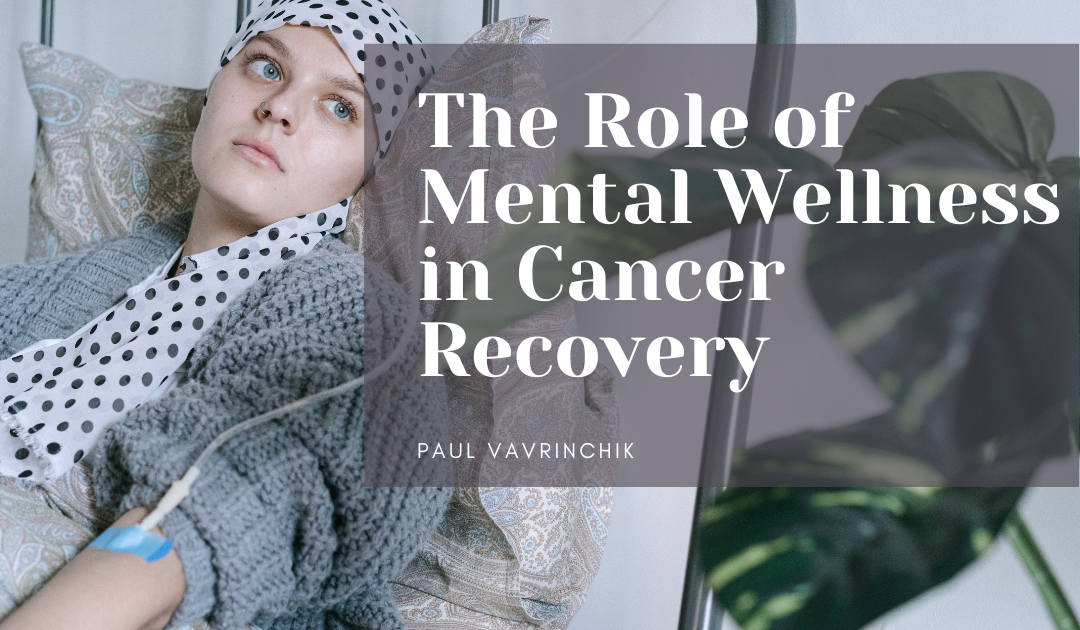
Cancer is not just a physical battle—it’s an emotional and mental journey as well. While treatments like chemotherapy, radiation, or surgery focus on the body, your mind often carries a weight that’s less visible but just as important. Anxiety, fear, stress, and uncertainty are common companions throughout treatment and even during recovery. Focusing on mental wellness can help you navigate this journey with more resilience, clarity, and hope.
Why Mental Wellness Is Vital
Recovering from cancer can feel like stepping into unknown territory. Your body may be healing, but your mind can still be wrestling with:
- Fear of recurrence: Even after treatment ends, worry can linger.
- Loss of control: Adjusting to lifestyle changes, side effects, and new routines can feel overwhelming.
- Emotional exhaustion: Sadness, irritability, and frustration often accompany physical fatigue.
Supporting your mental health isn’t just about feeling better—it can positively influence your physical recovery, help you make healthier choices, and improve overall quality of life.
Practical Ways to Nurture Your Mental Health
1. Talk About It
Opening up to a therapist, counselor, or even a trusted friend can help lighten the emotional load. Speaking your fears out loud validates them and helps you process difficult emotions.
2. Mindfulness and Meditation
Even a few minutes of deep breathing or mindfulness meditation can calm your mind, reduce stress, and bring focus back to the present. Practices like yoga or tai chi also connect your mind and body gently.
3. Connect With Others
Support groups, either in person or online, offer a unique space where people truly “get it.” Sharing your experiences and hearing others’ stories can remind you that you are not alone.
4. Express Yourself Creatively
Journaling, drawing, music, or other creative outlets allow your emotions to flow in a safe, constructive way. Sometimes, putting your thoughts on paper or creating something beautiful can be profoundly healing.
5. Move Your Body
Exercise doesn’t have to be intense. Gentle walks, stretching, or low-impact workouts release endorphins, boost mood, and improve energy. Physical activity is a natural way to support mental wellness while also strengthening your body.
Supporting Your Loved Ones
Mental wellness isn’t just for survivors. Families and caregivers also face emotional strain. Listening with compassion, encouraging open dialogue, and seeking support together can help everyone involved cope more effectively. A survivor’s journey is rarely solitary—emotional support networks are essential.
Integrating Mental Wellness Into Recovery
Think of mental wellness as a daily practice, not a one-time solution. Small, consistent steps—checking in with yourself, speaking your fears, practicing mindfulness, or connecting with others—can make a world of difference.
Remember, taking care of your mind is not a luxury—it’s a vital part of healing. By nurturing mental wellness, you gain resilience, regain control over your life, and reclaim joy and purpose along your recovery journey.
Final Thoughts
Healing from cancer is as much about the heart and mind as it is about the body. Mental wellness empowers you to move forward with strength, hope, and courage. It’s about more than surviving—it’s about truly living, even after a life-changing diagnosis.