
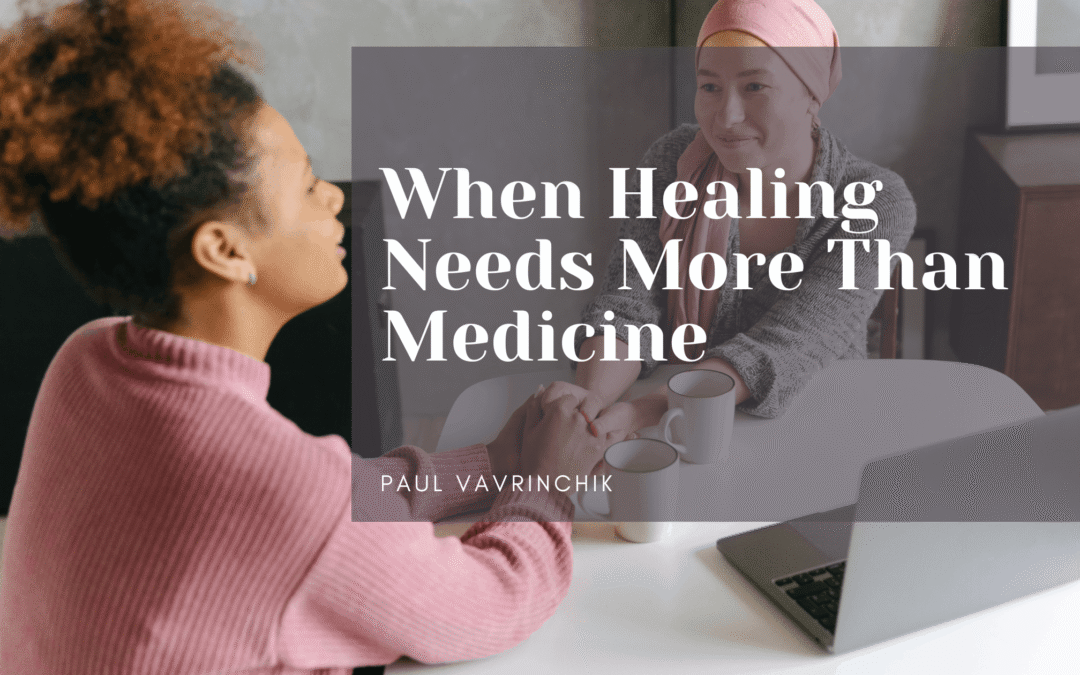
Healing from cancer is rarely a journey that can be measured only through appointments, treatments, scans, or recovery milestones. Medical care plays an essential role, but there is another form of support that can make difficult days feel a little less overwhelming: the empathy and presence of loved ones.
Cancer can change how a person experiences everyday life. Routines may be interrupted, plans may change, and uncertainty can become part of the day-to-day experience. During such times, knowing that someone is willing to listen, understand, and simply be there can provide meaningful comfort.
The Comfort of Being Understood
People facing cancer do not always need someone to find the perfect words. Often, they need someone who is willing to sit beside them without trying to immediately make everything better.
Empathy begins with listening. It means allowing someone to express fear, frustration, sadness, hope, or even silence without judgment. A loved one does not need to have all the answers. Sometimes, saying “I’m here with you” can be more reassuring than offering advice.
This kind of emotional support can help a person feel seen as an individual rather than defined by a diagnosis.
Small Acts Can Carry Great Meaning
Support does not always have to be dramatic. It can be found in ordinary gestures:
- Accompanying someone to an appointment
- Preparing a meal or helping with everyday tasks
- Sending a thoughtful message
- Sitting together and watching a favorite movie
- Remembering important dates or milestones
- Giving someone space when they need it
- Celebrating small moments of progress
These gestures can remind someone that life continues beyond treatment and that they remain surrounded by people who care.
Being Present Without Pressure
One of the most valuable things loved ones can offer is support without expectations. Recovery does not always follow a predictable timeline, and every person’s experience is different.
There may be days when someone wants company and others when they prefer quiet. There may be moments of optimism alongside moments of exhaustion or uncertainty. Respecting those changing needs is an important part of compassionate support.
Instead of asking someone to “stay positive,” loved ones can create space for whatever emotions are genuinely present. Hope does not require pretending that difficult moments do not exist.
Healing as a Shared Human Experience
Medical professionals provide essential expertise and treatment throughout the cancer journey. Loved ones provide something different: familiarity, connection, encouragement, and a sense of belonging. These forms of care do not replace medical treatment; they complement the broader experience of recovery.
For someone navigating cancer, knowing that they do not have to face every moment alone can be deeply meaningful.
Ultimately, empathy is not about finding the right words or fixing what cannot be fixed. It is about showing up, listening without judgment, and reminding someone that they are cared for beyond their illness. Sometimes, that quiet human connection becomes one of the most comforting parts of the healing journey.