
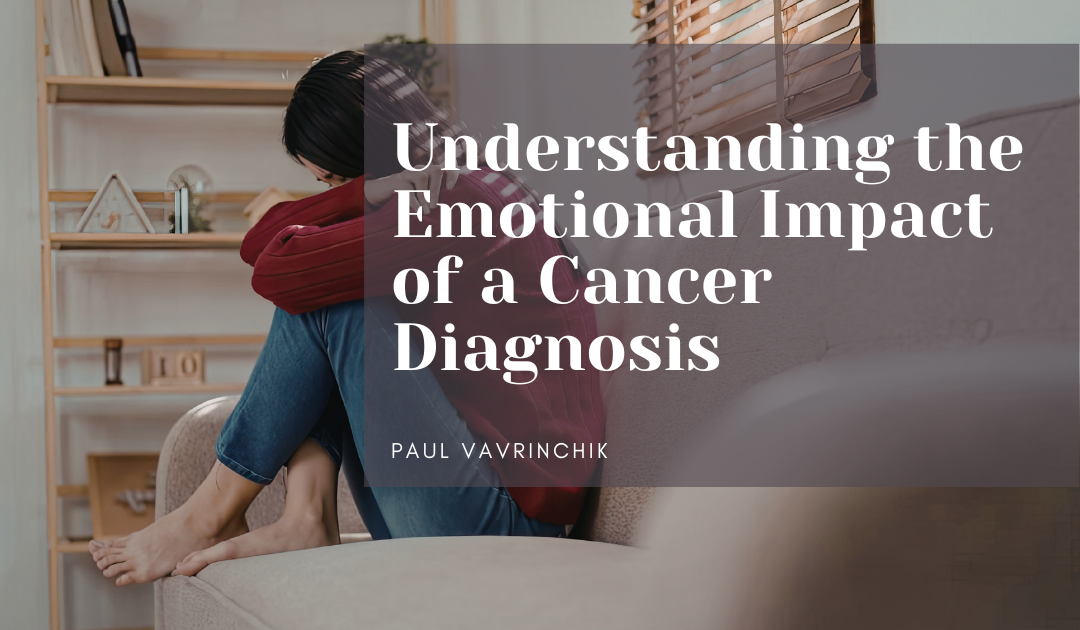
A cancer diagnosis is more than a medical event; it is a life-altering moment that can trigger a wide range of emotional responses. From the instant someone hears the diagnosis, their sense of normalcy is often disrupted, replaced by uncertainty, fear, and difficult questions about the future. Understanding the emotional impact of a cancer diagnosis is essential for providing meaningful support to patients and their loved ones.
Initial Shock and Fear
For many individuals, the first reaction to a cancer diagnosis is shock. Even when symptoms or tests have hinted at the possibility, hearing the confirmation can feel overwhelming and surreal. This shock is often followed by intense fear, fear of the unknown, fear of treatment, and fear of mortality.
Patients may struggle to process medical information or make decisions during this stage. It’s important for healthcare providers and family members to recognize that emotional responses can affect how individuals absorb information. Offering clear communication, patience, and reassurance can help ease this initial distress and create a sense of stability.
Anxiety, Uncertainty, and Loss of Control
As the reality of the diagnosis sets in, anxiety often becomes more pronounced. Questions about treatment outcomes, side effects, finances, and family responsibilities can create a constant sense of worry. Many patients feel a loss of control over their lives, as schedules become centered around hospital visits and medical procedures.
This uncertainty can be emotionally exhausting. Some individuals may cope by seeking information and planning ahead, while others may feel paralyzed by fear. Encouraging open conversations, providing access to counseling, and helping patients focus on manageable steps can make this phase more bearable. Restoring even small areas of control—such as daily routines or personal choices—can significantly improve emotional well-being.
Changes in Identity and Relationships
A cancer diagnosis often affects how individuals see themselves and how they relate to others. Physical changes from treatment, such as hair loss or weight fluctuations, can impact self-esteem and body image. At the same time, roles within families and relationships may shift, with patients becoming more dependent on others for support.
These changes can lead to feelings of frustration, isolation, or even guilt. Some individuals may withdraw socially, while others may struggle to express their emotions. Strong support systems are crucial during this time. Honest communication, empathy, and a willingness to listen without judgment can help patients maintain meaningful connections and rebuild their sense of identity.
Ultimately, the emotional impact of a cancer diagnosis is complex and deeply personal. There is no single “right” way to feel or cope. By acknowledging these emotional challenges and offering compassionate support, we can help individuals navigate this difficult journey with greater resilience and understanding.